Exoskeletons Win Over Manual Laborers: New Study Shows Clear Ergonomic Benefits
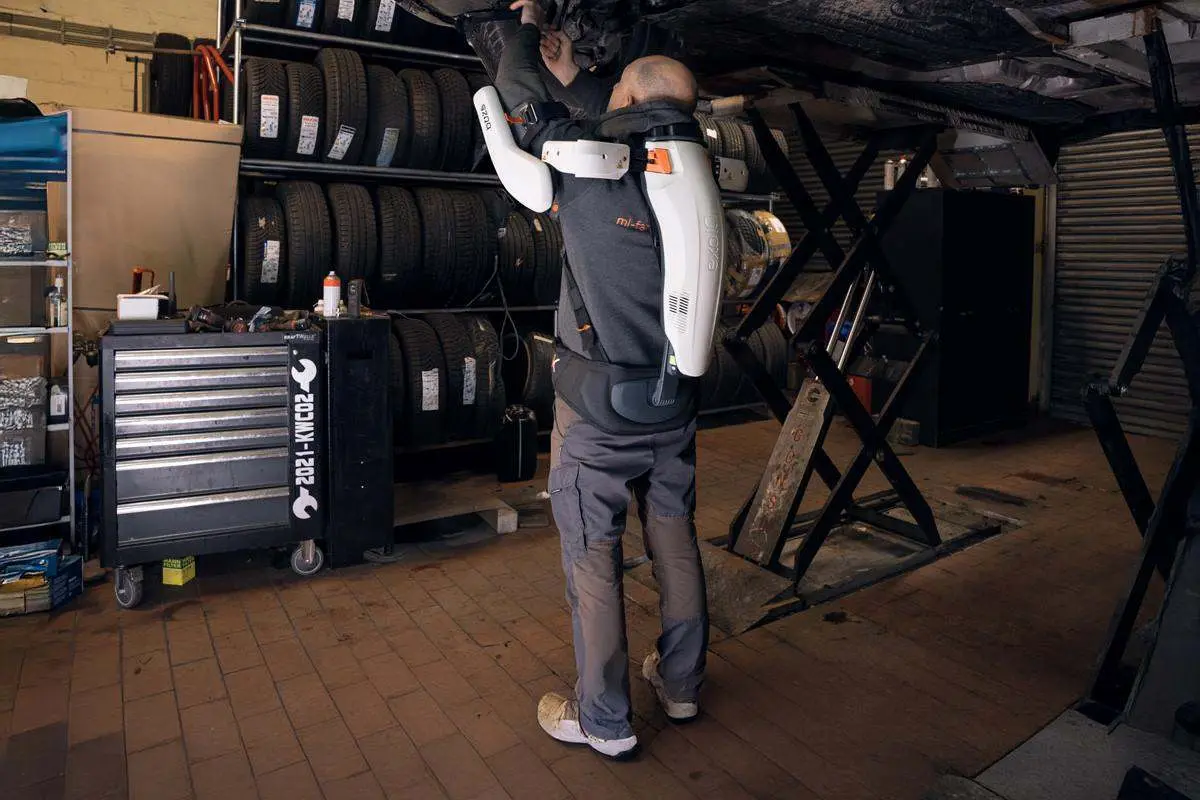
Musculoskeletal disorders remain among the greatest challenges in the workplace. In sectors such as manufacturing, logistics, construction, and healthcare, many tasks involve lifting, carrying, maintaining awkward postures, or performing repetitive movements. Despite existing ergonomic measures, physical complaints and absenteeism remain high—and with them, the need for new, effective solutions.
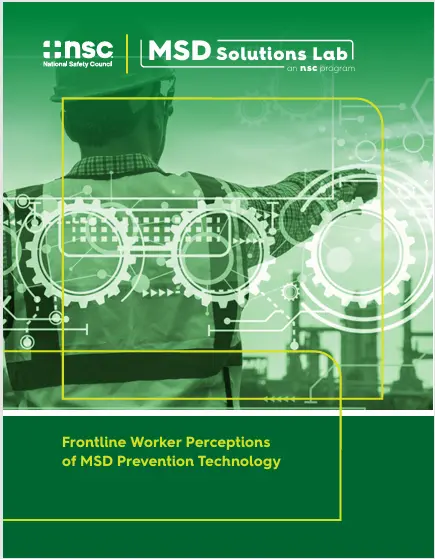
A recent U.S.-based survey now turns the spotlight on the perspective of the workers themselves. The study “Frontline Worker Perceptions of MSD Prevention Technology” by the MSD Solutions Lab (National Safety Council) clearly shows that exoskeletons are perceived as particularly effective by workers engaged in physical labor.
What does the study say?
The study surveyed over 400 non-managerial employees of both genders from industries with high levels of physical strain who already use ergonomic technologies in their daily work. Among other things, the survey examined wearables, camera-based systems, robotics, XR applications, and exoskeletons. To better contextualize the results, it is helpful to briefly define what the technologies under investigation entail:
- Wearables (wearable sensors): Sensors worn on the body that measure movement and physical strain and, in some cases, provide direct feedback on ergonomic risks.
- Camera-based systems (computer vision): Cameras automatically analyze work movements and detect, for example, poor posture or repetitive tasks.
- Robotics and Cobots: Robots assist with or take over physically demanding tasks, while cobots work directly alongside humans.
- Extended Reality (XR): Virtual and augmented realities for training, simulation, and ergonomic planning without real-world stress.
- Exoskeletons: Wearable assistive devices that directly support the body and reduce the physical strain of strenuous activities.
The study’s findings initially paint a clear picture: A large proportion of respondents regularly experience physical discomfort, particularly in the back, knees, and shoulders. At the same time, there is significant concern about long-term injuries. Ergonomic technologies are generally viewed positively, but there are marked differences in how their benefits are perceived.
Exoskeletons perform particularly well
In a direct comparison, exoskeletons rank among the technologies with the greatest perceived impact. Users report a reduction in musculoskeletal complaints—particularly in the back and knees—significantly more often. Increased awareness of ergonomic risk factors and improved posture resulting from the use of exoskeletons are also cited particularly frequently.
In addition, many employees report feeling less concern about injuries, while their job satisfaction increases. Tasks are described as less tiring and physically easier to manage. This makes exoskeletons one of the few technologies that employees clearly associate with actual physical relief.
Why Exoskeletons Are So Compelling
The key difference lies in the approach. While wearables and computer vision systems primarily analyze and visualize physical stress, exoskeletons address physical strain directly. They assist with movement, relieve pressure on muscle groups, and immediately reduce the forces acting on the body. Employees feel these benefits right away—and that is precisely what increases acceptance and trust.
The study also shows that success in practice depends heavily on a well-thought-out and systematic implementation of the technology. Exoskeletons are rated particularly highly when employees are involved in their selection, testing, and use, receive adequate training, and are able to provide feedback. Technology reaches its full potential when it is perceived as a support rather than a means of control.
At exoIQ, we develop industrial exoskeletons with precisely this goal in mind: practical, ergonomically effective, and accepted in everyday work. We work closely with companies as partners, providing focused support in selecting, introducing, and implementing the right exoskeletons for their individual needs. The results of the latest survey confirm that exoskeletons, such as those from exoIQ, are a modern and effective solution for reducing physical strain and making workplaces more ergonomically comfortable in the long term.
Source of the study
The full study, including all detailed results, is available for download as a PDF here:
Frontline Worker Perceptions of MSD Prevention Technology (PDF)
Table of contents
Additional Resources
More about exoIQ

News
Find out more about the latest updates from exoIQ.
Press
Here you can get press material about us...

FAQ
Visit our FAQ page, where we collect all the information you need.

Contact
Do you have any questions about our exoskeletons? Please contact us!